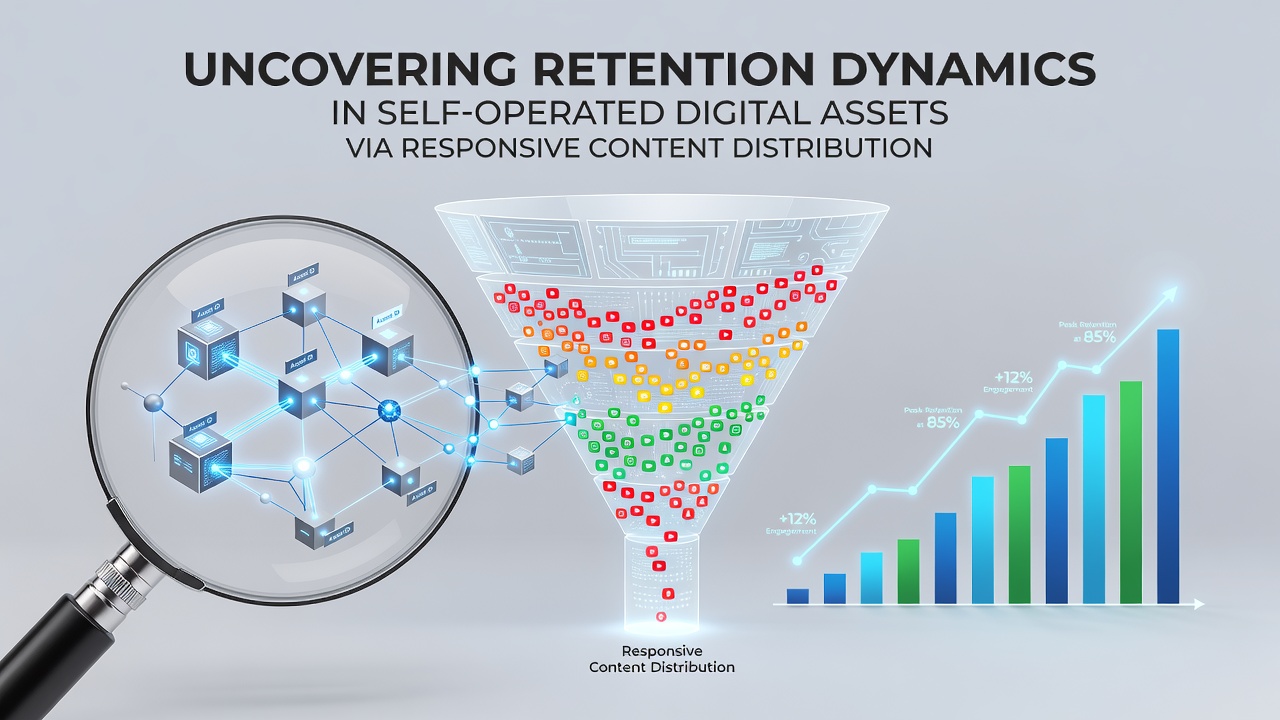
Vera Frank · 17 October 2026
Uncovering Retention Dynamics in Self-Operated Digital Assets via Responsive Content Distribution
Self-operated digital assets encompass independent websites, standalone blogs, and owner-managed online properties that function without large corporate backing or extensive teams, and these entities rely on precise audience retention to sustain traffic over time while responsive content distribution adapts material delivery according to user signals and platform performance data.
Defining Self-Operated Digital Assets and Their Operational Context
Independent operators manage their own servers, content schedules, and analytics dashboards, which creates direct accountability for every distribution decision yet also grants flexibility in testing new formats without bureaucratic delays, and researchers tracking these sites note that retention hinges on how quickly content responds to shifts in visitor behavior across devices and time zones.
Data compiled through October 2026 shows continued growth in solo-run properties that incorporate real-time feedback loops into their publishing cycles, whereas sites lacking such mechanisms experience steeper drops in return visits according to aggregated industry reports from multiple regions.
Retention Dynamics at the Core of Asset Longevity
Retention dynamics describe the patterns by which users return to a digital property, measured through metrics such as session duration, page depth, and repeat visit frequency, and observers tracking self-operated assets find that these patterns emerge most clearly when content distribution systems adjust automatically to individual engagement histories.
Studies conducted by academic institutions across North America and Europe reveal that assets employing responsive distribution maintain higher average retention rates because material reaches users at moments when interest peaks, while static schedules produce flatter curves that plateau early and decline steadily thereafter.
How Responsive Content Distribution Functions in Practice
Responsive content distribution operates through algorithms that monitor clickstreams, scroll depth, and exit points, then reallocates promotional effort toward high-performing topics or formats without manual intervention each time, and this process allows a single operator to simulate the reach once reserved for larger organizations.
One documented approach involves segmenting audiences by device type and referral source, then serving tailored excerpts or multimedia variants that align with observed preferences, and figures released in late 2026 by Statistics Canada indicate measurable lifts in session completion rates for properties adopting these segmented tactics.
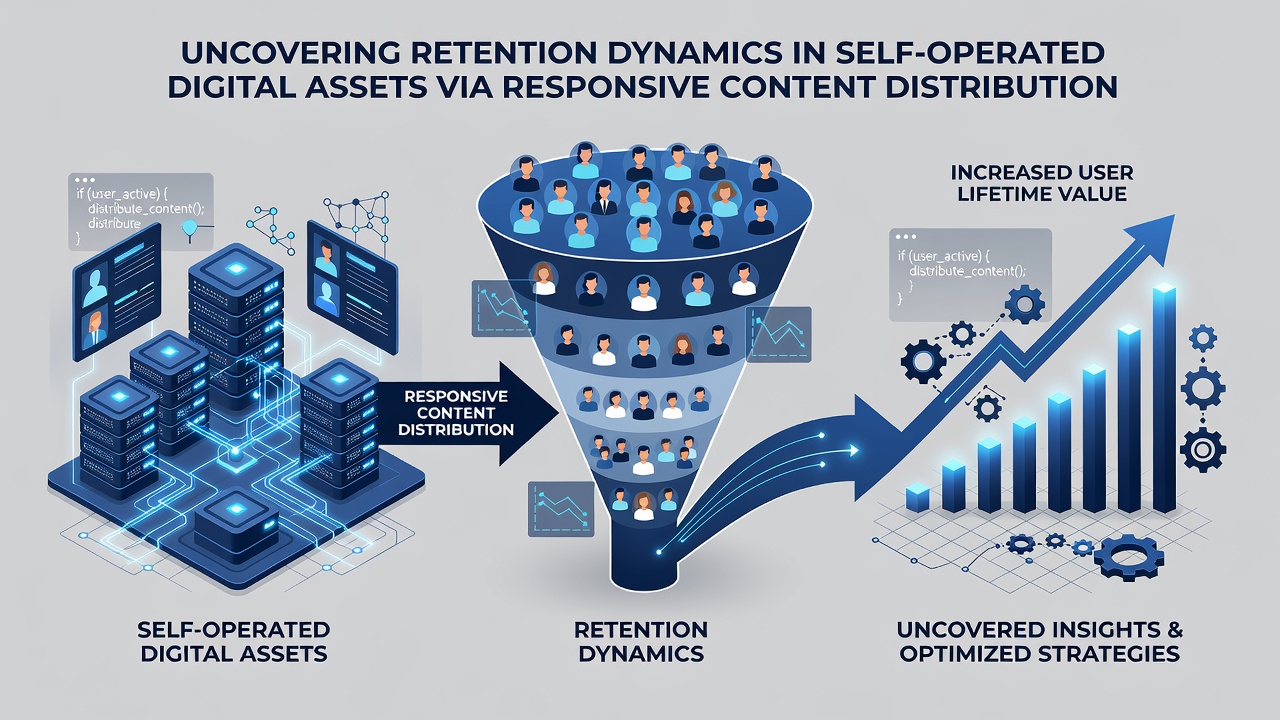
Another layer involves timing adjustments that account for regional activity peaks, so content published during peak windows in one geography receives amplification while quieter periods see reduced push notifications, and this temporal responsiveness prevents audience fatigue that otherwise erodes long-term loyalty.
Evidence from Performance Tracking Through October 2026
Performance datasets gathered through October 2026 highlight several consistent trends among self-operated assets that integrated responsive distribution, including sustained month-over-month retention improvements when distribution engines incorporated at least three user-signal inputs simultaneously, and Eurostat publications on digital economy participation corroborate that smaller operators in the European Union achieved comparable engagement stability when similar adaptive methods were applied.
Analysts reviewing these records point out that bounce-rate reductions occur most reliably when distribution systems update within hours rather than days, whereas delays between signal detection and content adjustment correlate with measurable audience attrition across multiple independent properties.
Implementation Patterns Observed Across Diverse Assets
Operators who structure their content calendars around automated triggers report smoother traffic curves, and examples include sites that route evergreen articles toward new visitors while directing repeat users toward updated series or deeper archives, and this differentiation keeps both segments engaged without requiring separate editorial teams.
Additional patterns show that cross-referencing retention data with external events, such as seasonal search spikes or platform algorithm changes, enables proactive redistribution that preserves momentum even when external conditions shift abruptly, and these practices appear consistently in longitudinal tracking conducted by research groups on multiple continents.
Conclusion
Retention dynamics in self-operated digital assets become measurable and actionable once responsive content distribution systems translate user signals into timely delivery adjustments, and records through October 2026 demonstrate that operators who embed these mechanisms within their workflows achieve steadier audience continuity compared with those relying on fixed schedules. Continued monitoring of engagement metrics across regions supplies the factual basis for refining these distribution methods further.